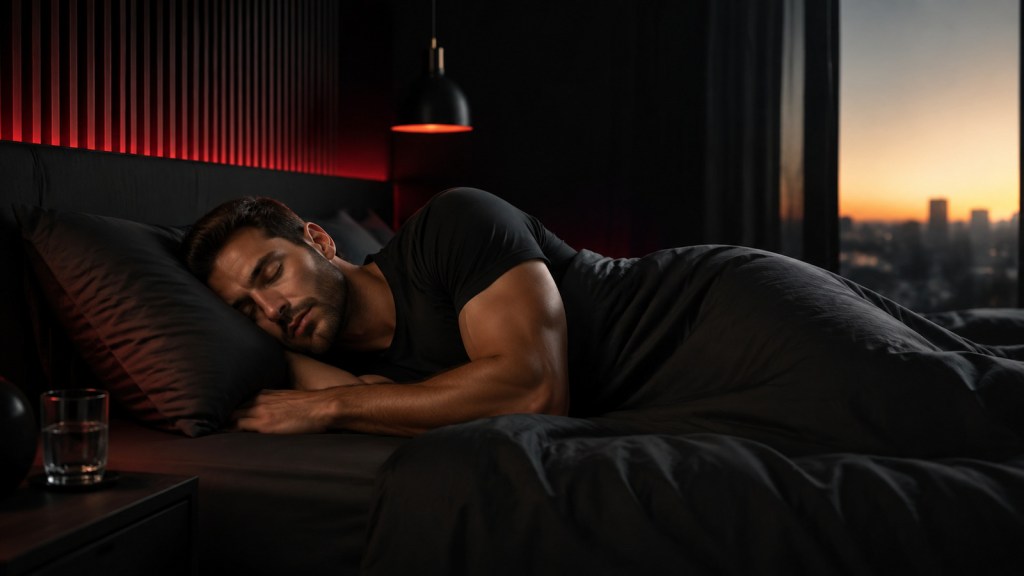
Daniel trained four mornings a week and kept a steady bedtime. Yet a streetlight cut across his pillow, the upstairs neighbor made noise at midnight and his phone alarm detonated beside his head every morning.
His discipline was not the problem. His bedroom kept sending the wrong signals.
Sleep products earn their place only when they solve a problem you can name. Light. Noise. Dark winter mornings. Shared spaces. Buy the solution, not the fantasy of becoming optimized through gadgets.
Fix the Basics Before Buying Anything
Start with enough time in bed, a steady wake time and a cool, dark, quiet room. The Sleep Foundation’s sleep-hygiene guidance recommends controlling light and noise with tools such as eye masks, earplugs or sound machines when needed.
If your phone is the problem, fix your digital-minimalism habits. Persistent insomnia deserves more than shopping. The American Academy of Sleep Medicine recommends cognitive behavioral therapy for insomnia as a primary treatment.
The Four Picks
- Light: Manta PRO Sleep Mask
- Inconsistent noise: LectroFan EVO
- Dark mornings: Philips SmartSleep HF3520/60
- Travel/shared spaces: Loop Quiet 2
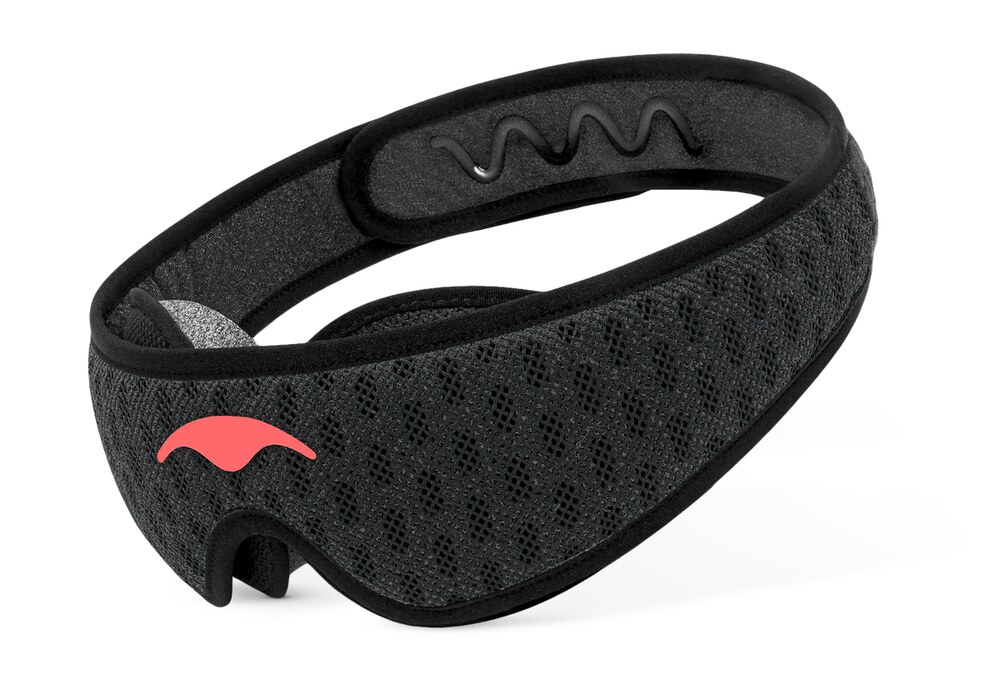
1. Manta PRO Sleep Mask
Best for: streetlights, early sunrise, a partner’s lamp and men who dislike flat masks pressing on the eyes.
Healthy indoor-light guidance recommends keeping the sleep environment as dark as possible. The Manta PRO design uses adjustable eye cups and low-profile side sections. Fit it firmly enough to block light without creating pressure.
- Pros: adjustable blackout fit, side-sleeper-friendly profile, portable.
- Cons: premium price, fit takes adjustment.
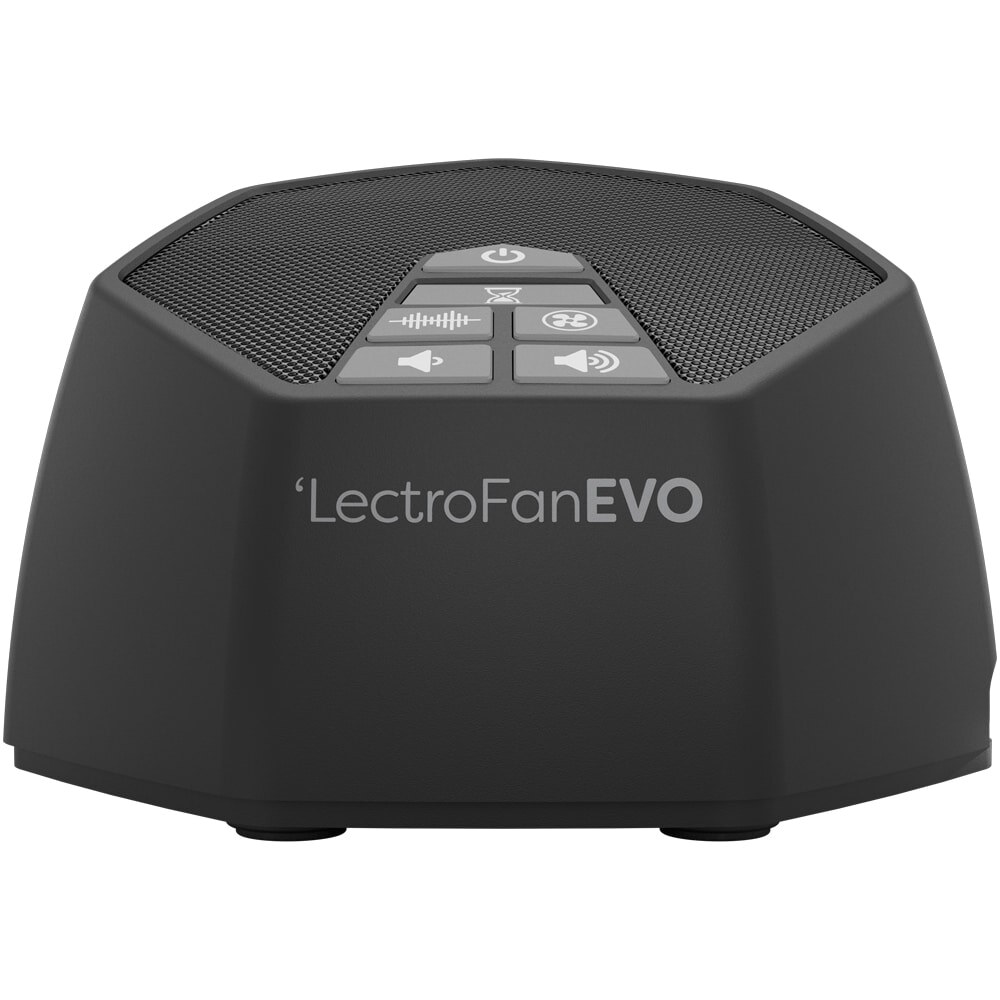
2. LectroFan EVO White Noise Machine
Best for: traffic, voices, doors, barking and unpredictable apartment noise.
A 2021 clinical trial found that white noise improved sleep among adults in high-noise environments, while broader evidence varies. The LectroFan EVO offers multiple fan and noise profiles. Put it between the bed and noise source and use only enough volume to mask disturbance.
- Pros: multiple sound profiles, precise volume, compact.
- Cons: some sleepers dislike steady sound; it masks rather than blocks.
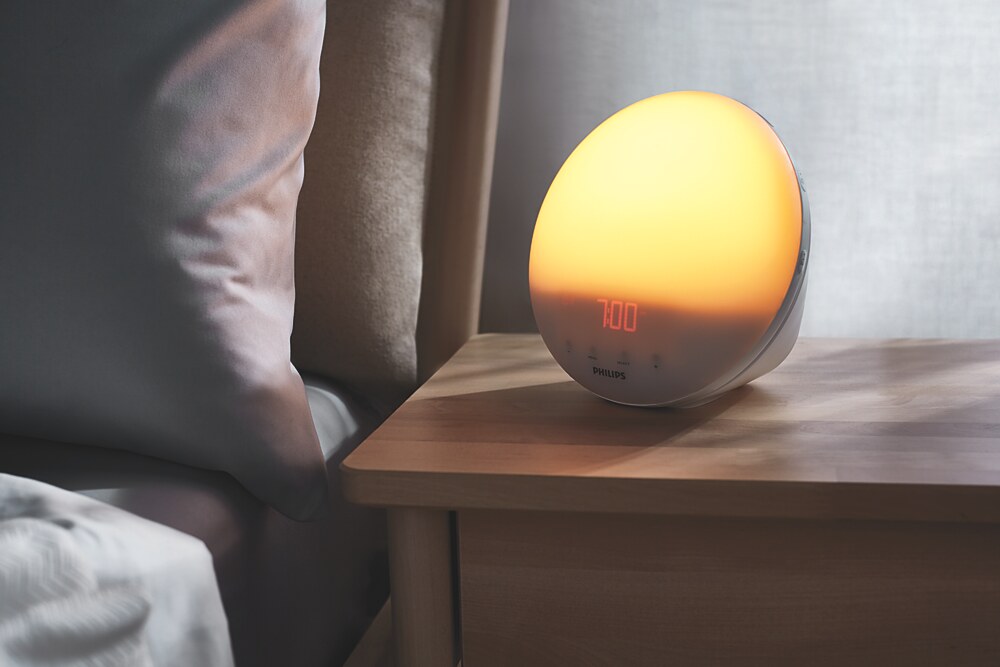
3. Philips SmartSleep Wake-Up Light HF3520/60
Best for: dark winter mornings and men who hate abrupt alarms.
Morning light is a strong timing signal for the circadian system. The HF3520/60 brightens over thirty minutes and includes natural wake sounds, FM radio and a sunset mode. It does not create discipline. It makes the transition into morning less violent.
Pair it with a consistent morning routine for men.
- Pros: gradual colored sunrise, multiple wake sounds, sunset mode.
- Cons: larger and pricier than a basic alarm; may not wake every heavy sleeper alone.
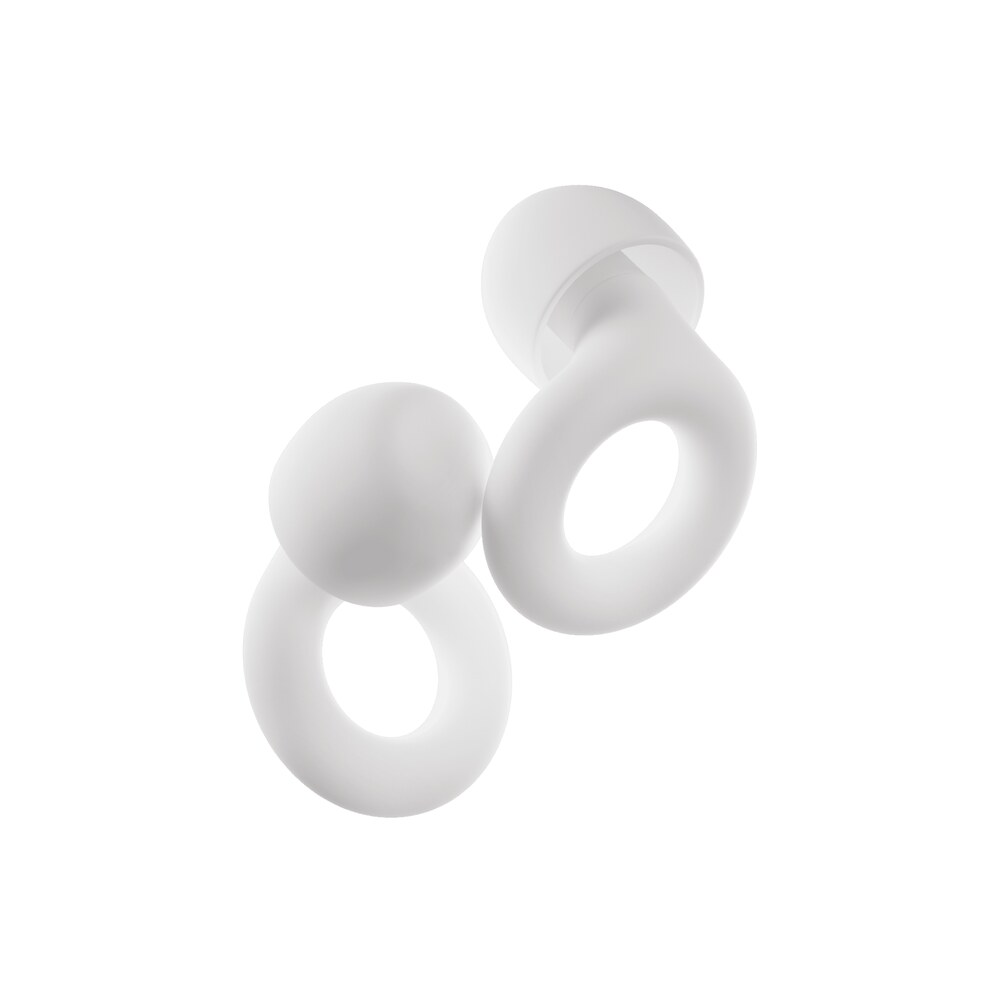
4. Loop Quiet 2 Earplugs
Best for: travel, shared bedrooms and portable noise reduction.
Loop rates Quiet 2 for up to 24 dB SNR noise reduction. They include four tip sizes and a case. Fit matters for both comfort and noise reduction. Make sure essential alarms or safety signals remain audible.
- Pros: compact, reusable, multiple tip sizes.
- Cons: side-sleeping comfort varies; not ideal when you must hear quiet alarms.
How to Choose Without Wasting Money
Track what wakes you for three nights. Test one change for seven nights. Judge by fewer awakenings, better daytime alertness and a more reliable routine. The same logic drives progressive overload in training: control variables and measure the result.
Men who care about strength, money, success and performance should treat sleep as infrastructure. But buying every gadget is not discipline. Solving the actual bottleneck is.
Identify the Disturbance Before Choosing the Product
Keep a simple bedroom note for several nights: what interrupted sleep, roughly when it happened, and what you could control. Distinguish a bright room from phone use in bed. Distinguish a sudden outside sound from spending the evening checking messages. A product can address an environmental problem while leaving a habit untouched.
If light is the repeated disturbance, start with the room and then assess whether a mask fits comfortably. If unpredictable sound is the issue, compare noise reduction with sound masking. If the difficulty is an abrupt wake-up in a dark room, evaluate the morning routine as well as the alarm. You are choosing a solution to a named problem.
A shared bedroom changes the decision. Ask whether your partner can tolerate a sound machine or a gradually brightening lamp before buying. A tool that improves one person’s experience while making the other’s worse may create a new problem. Agreement about placement, timing, and volume is part of the setup.
Test One Change Instead of Buying the Entire List
Choose one intervention and keep the rest of the routine reasonably consistent. Record your intended bedtime, wake time, the disturbance, and how you functioned the next day. Do not turn the record into a competition for perfect sleep. It is a practical way to decide whether the purchase addressed what you bought it for.
Give comfort as much attention as the advertised feature. A mask that blocks light but feels intolerable will stay in a drawer. Earplugs need an appropriate fit and care routine. A sound machine should be placed and used according to its instructions. An alarm needs to work with the practical demands of your household.
At the end of the test, decide whether to keep, adjust, or return the product within the seller’s terms. If you cannot identify any benefit, do not automatically add another device. Review whether the original disturbance was correctly identified. An honest result can be that the product is well made and still unnecessary for your room.
Plan for Alarms, Shared Spaces, and Travel
Check essential alerts when trying noise reduction or masking. Consider a morning alarm, a child’s needs, or other household signals you must hear. Do not assume the device you use every day will be equally audible with a new setup. Test the arrangement while awake and choose an alternative if you cannot hear what matters.
For travel, prioritize a tool you can pack and set up consistently. Check charging or power requirements, cleaning instructions, and whether the product depends on a particular bedside position. A small item that works reliably in unfamiliar rooms can be more useful than a sophisticated device you never take with you.
For the wake-up light, keep a dependable backup when you have an important early commitment and have not yet established how you respond to it. Judge whether it makes your existing wake time easier to follow. It is not permission to shorten sleep or expect a light to compensate for a chaotic schedule.
Know What This Shopping Guide Cannot Resolve
These products target light, sound, comfort, and the transition into morning. They are not diagnostic tools and do not determine why someone has ongoing sleep difficulties. The existing professional-help guidance in this article remains important when symptoms persist or affect safety and daytime function.
Treat better sleep as support for the rest of your life. A consistent routine can make training and focused work easier to organize, but a product does not guarantee recovery or performance. Pair environmental changes with the fitness guide’s broader recovery framework rather than assuming an accessory can replace it.
Your buying rule is simple: name the problem, try the least complicated useful intervention, check the result, and keep only what earns its place. That preserves money and attention for the habits that the room is supposed to support.
Frequently Asked Questions
Are sleep products worth it?
Yes, when they solve a repeated environmental problem.
Can you sleep in earplugs every night?
Many people can if they fit and stay clean. Stop for pain, irritation or repeated wax problems.
When should poor sleep be evaluated?
Seek qualified help when problems persist, harm daytime function or involve loud snoring, gasping, breathing pauses, morning headaches or dangerous sleepiness.
Final Word
Choose the Manta PRO for light, LectroFan EVO for unpredictable noise, Philips SmartSleep for dark mornings or Loop Quiet 2 for portable noise reduction.
Fix the environment. Keep the routine simple. Buy only what earns its place.


Leave a Reply