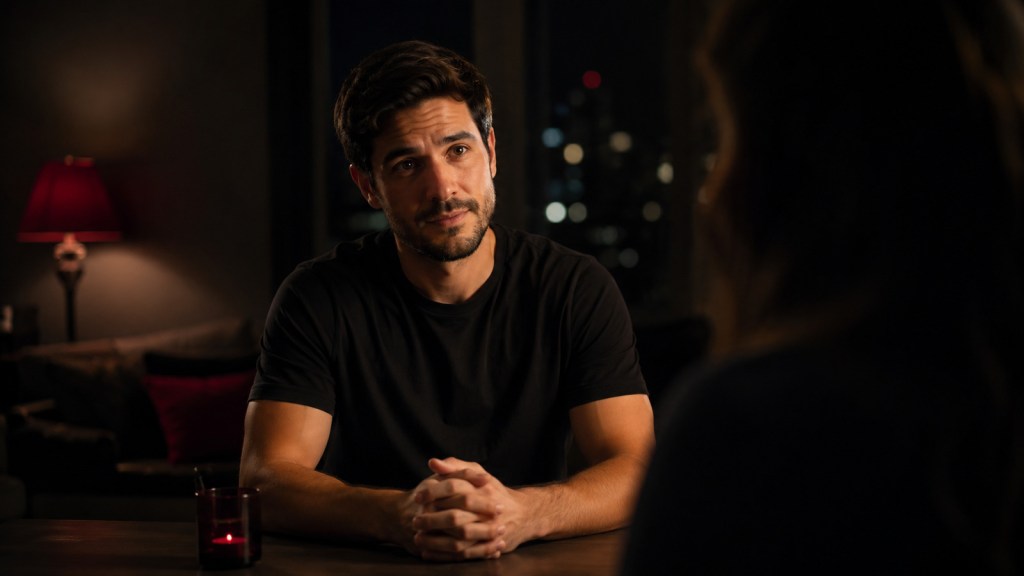
Jake wanted a relationship until he was inside one. The first months felt easy. Then his girlfriend asked where things were going. His chest tightened, every small incompatibility suddenly looked enormous and he convinced himself he had lost attraction overnight.
Closeness felt like pressure, so his mind built an exit.
If that pattern is familiar, stop calling every urge to withdraw “clarity.” Sometimes distance is judgment. Sometimes it is defense.
What Avoidant Attachment Means
Adult attachment is often studied along anxiety and avoidance. Attachment avoidance involves discomfort with dependence, emotional exposure or too much closeness. These are tendencies, not permanent boxes.
A review of adult attachment research explains how expectations about self and others can shape emotion regulation and relationship behavior. A large meta-analysis covering 245 samples linked attachment anxiety and avoidance with more negative emotion.
For the larger foundation, use the dating and relationships guide for men.
Independence Is Not Emotional Disappearance
Healthy independence means standing on your own while remaining available for honest connection. Avoidance uses self-sufficiency as armor.
A secure man can say, “I need tonight to think. I will call tomorrow at six.” Then he calls at six. A man hiding behind independence disappears and blames his partner for reacting.
Masculinity requires ownership. Putting yourself first is not evil, but using “freedom” as an excuse to make other people live in permanent uncertainty is weak accountability.
Signs of the Pattern
- Early dating feels easy until commitment becomes real.
- You suddenly magnify flaws when intimacy grows.
- You shut down or disappear during conflict.
- You deny your own needs, then become resentful.
- Distance brings immediate relief.
- You idealize unavailable people because real closeness is not required.
A study of attachment and demand-withdraw patterns shows how pursuit and withdrawal can reinforce each other.
The Cycle
- Connection deepens.
- Vulnerability triggers discomfort.
- You create distance.
- Your partner protests, pursues or withdraws.
- Her reaction appears to confirm that closeness is dangerous.
Your job is not to control her move. It is to own yours.
Build More Secure Behavior
Catch the distancing strategy
Notice delayed replies, fantasies about alternatives, picking fights, overworking, numbing out or mentally building a case against the relationship. Name the behavior before defending it.
Delay major decisions when activated
Do not end a healthy relationship at peak panic. Abuse, coercion and serious violations are different. For ordinary intimacy stress, cool down and reassess when calm. Use how to stop overthinking when rumination takes over.
Ask for space with a return time
“I am too activated to handle this well. I need an hour. I will come back at eight.” Then return. This is a boundary, not silent punishment. Use the principles in setting boundaries without losing respect.
Stay ten percent longer
When you want to shut down, stay for one more honest sentence or one more question. Security grows through tolerable experiences of closeness.
Replace mind reading with direct questions
Do not decide she is controlling because she asked for reassurance. Ask what she needs. Do not assume disagreement means rejection. Use a grounded masculine frame to remain steady without becoming unavailable.
Strength Means Staying Present
Controlled aggression can help you stay in a difficult conversation when your instinct is to flee. Use that force to tell the truth and hold the boundary. Do not use it to intimidate a partner into silence.
Boldness, decisiveness and calm dominance can increase attraction. They lose value when “decisiveness” means impulsively ending relationships every time vulnerability feels uncomfortable.
Choose Partners Who Respect Closeness and Space
A compatible partner can discuss needs directly, tolerate reasonable space, repair conflict and respect a clear no. Her anxiety does not excuse controlling behavior. Your avoidance does not excuse disappearing.
When Professional Help Makes Sense
Consider qualified help if withdrawal keeps ending relationships you value, conflict triggers panic or numbness, past trauma surfaces, or you cannot express needs without shutting down. If a relationship includes fear, coercion, threats or violence, prioritize safety and appropriate local support.
Frequently Asked Questions
Can an avoidant man have a healthy relationship?
Yes. Attachment tendencies are not destiny. Behavior can change.
Does needing space make me avoidant?
No. The question is whether you communicate, return and still handle the issue.
Is avoidant attachment a diagnosis?
No. Adult attachment avoidance is a research construct and relationship pattern, not a standalone clinical diagnosis.
Final Word
You do not build security by becoming needy or surrendering standards. You build it by making your word, boundaries and presence trustworthy when closeness becomes uncomfortable.
Ask for space clearly. Return when you said you would. Judge the relationship when calm. Stop confusing escape with strength.


Leave a Reply